
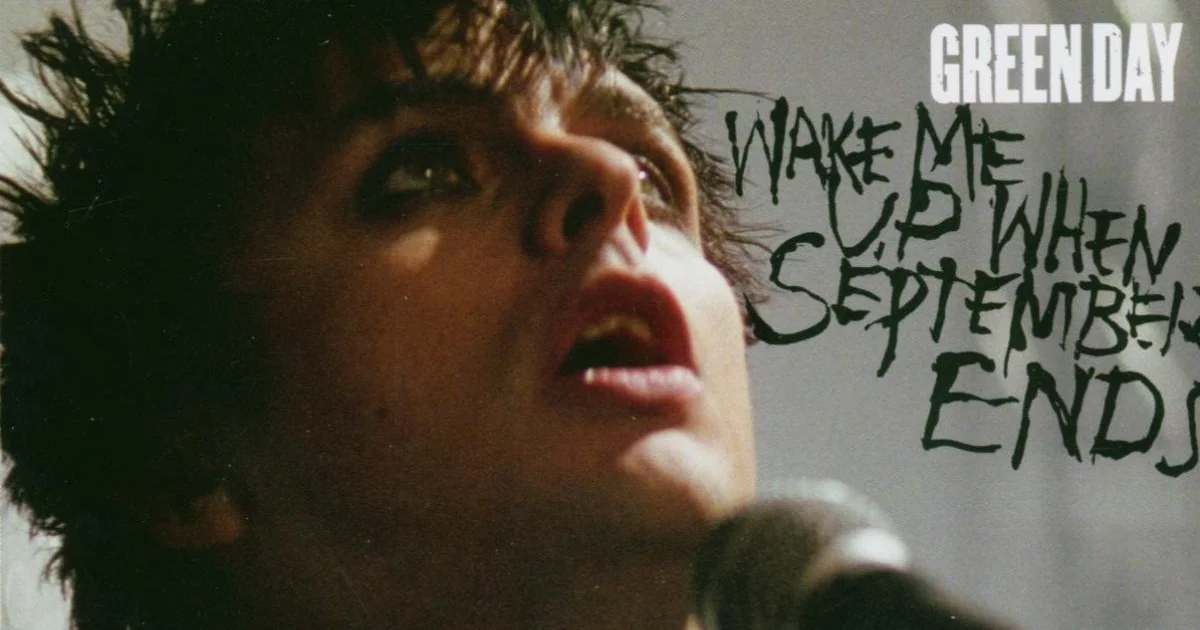
The meaning behind "Wake Me Up When September Ends", 22 years later
American Idiot was released 22 years ago today, September 21, 2004, and "Wake Me Up When September Ends" has had a strange life in the two decades since. It's been a hit single, an anti-war music video, a song for Hurricane Katrina victims, an annual internet meme and, for a lot of people, a song they attach to losses of their own.
But it started with Billie Joe's personal experiences.
Billie's father died in September 1982 when Billie was only 10 years old, and Billie has been pretty direct over the years about that being the source of the song. Speaking to CBS Sunday Morning in 2009, he said:
In another interview quoted in our GDA music section, he explained that it was something he had never really written about before:
That also helps explain why the song sits a little apart from the rest of American Idiot. It isn't really another chapter in the story of Jesus of Suburbia, St. Jimmy and Whatsername. Billie has said he made it work within the album's themes of growing up and looking back, but the song itself came from something much more personal.
A more dramatic version of the story has circulated online for years, claiming Billie came home from his father's funeral, shut himself in his room and told his mother to "wake me up when September ends." But that account doesn't come from Billie himself and originated in fan fiction.
What Billie has consistently talked about is the way his father's death stayed with him long after he was 10 years old. When Howard Stern asked him about the song in 2019, Billie talked about both the month itself and how much his father still remained on his mind:
During the same conversation, Billie described losing a parent that young as having your life essentially restart from zero. Taken together, his comments over the years paint a much simpler picture than the story that grew up around the song: it was something he had carried with him since childhood and finally found a way to write about on American Idiot.
After that 2019 Howard Stern conversation, Green Day performed the song.
The finished song starts simply with Billie and an acoustic guitar, gradually building as Mike, Tré and the rest of the arrangement come in before dropping back down again at the end.
We got an especially good look at how it developed when Green Day released the original demo for the American Idiot 20th anniversary in 2024. Most of the song is already there, but there are small lyrical and structural differences, including a final section that had not yet evolved into the version that appeared on the album.
When the music video was released in 2005, director Samuel Bayer took the song in a different direction. The seven-minute video stars Jamie Bell and Evan Rachel Wood as a young couple whose lives are changed after Bell's character enlists in the Marines during the Iraq War.
That gave the song another meaning for a lot of people. "Wake Me Up When September Ends" wasn't written about the war or September 11th, but both became closely associated with it after the video was released.
It's also part of what has made the song stick around for so long. Billie wrote it about something deeply personal, but over the years people have continued to connect it to their own experiences with loss.
Before "Wake Me Up When September Ends," Billie dedicated it to Johnny Ramone, who had died the previous day. A song written about one loss was already being used to acknowledge another before most people had even heard the album.
Green Day played it again on the album's release date at Irving Plaza in New York. That entire September 21, 2004 performance was finally officially released with the 20th anniversary edition of American Idiot.
The massive June 2005 performances at Milton Keynes also gave us the version preserved on Bullet in a Bible. A few months later, the song took on yet another meaning after Hurricane Katrina. At Gillette Stadium on September 3rd, Green Day dedicated it to the victims of the Hurricane and that performance was used for MTV's ReAct Now: Music & Relief benefit and later released as a promotional live single.
And in April 2020, with much of the world stuck at home during the early weeks of COVID, Billie performed it alone with an acoustic guitar for One World: Together at Home. Once again, a song about one very specific loss suddenly sounded appropriate for millions of people going through something completely different.
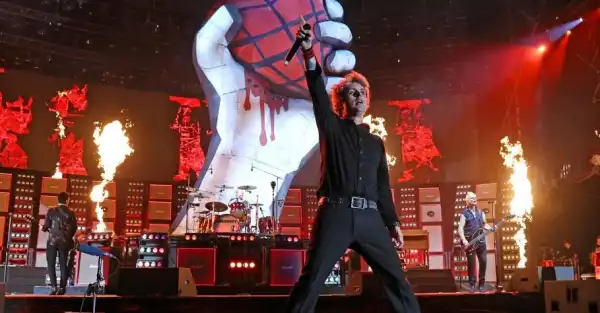
The song returned to the middle of American Idiot every night when Green Day performed the album in full on the Saviors Tour in 2024 and 2025. A total of 441 times since 2004.
Twenty-two years after American Idiot, "Wake Me Up When September Ends" remains one of the album's most enduring songs. It came from something intensely personal, but over time it has become a song people have used to process losses of their own.
That may be part of why it has held up so well. American Idiot is remembered for its politics, its ambition and the story running through much of the album, but "Wake Me Up When September Ends" stands apart from much of that. At its center is Billie Joe writing about something he had carried with him since he was 10 years old.
More than two decades later, it's still something fans, both new and old, can connect with.
But it started with Billie Joe's personal experiences.
Billie's father died in September 1982 when Billie was only 10 years old, and Billie has been pretty direct over the years about that being the source of the song. Speaking to CBS Sunday Morning in 2009, he said:
"It was about my father, who died in September of 1982."
In another interview quoted in our GDA music section, he explained that it was something he had never really written about before:
"It's the first time I've written about my father dying when I was 10 years old."
That also helps explain why the song sits a little apart from the rest of American Idiot. It isn't really another chapter in the story of Jesus of Suburbia, St. Jimmy and Whatsername. Billie has said he made it work within the album's themes of growing up and looking back, but the song itself came from something much more personal.
A more dramatic version of the story has circulated online for years, claiming Billie came home from his father's funeral, shut himself in his room and told his mother to "wake me up when September ends." But that account doesn't come from Billie himself and originated in fan fiction.
What Billie has consistently talked about is the way his father's death stayed with him long after he was 10 years old. When Howard Stern asked him about the song in 2019, Billie talked about both the month itself and how much his father still remained on his mind:
"I think it's just something that stayed with me, the month of September always being ... kind of a bummer.
I think about him every day, really. I kinda avoided writing about him for many years."
I think about him every day, really. I kinda avoided writing about him for many years."
During the same conversation, Billie described losing a parent that young as having your life essentially restart from zero. Taken together, his comments over the years paint a much simpler picture than the story that grew up around the song: it was something he had carried with him since childhood and finally found a way to write about on American Idiot.
After that 2019 Howard Stern conversation, Green Day performed the song.
From demo to American Idiot
The American Idiot recording sessions stretched across Studio 880 in Oakland and Ocean Way and Capitol Studios in Hollywood, with Rob Cavallo and Green Day producing.The finished song starts simply with Billie and an acoustic guitar, gradually building as Mike, Tré and the rest of the arrangement come in before dropping back down again at the end.
We got an especially good look at how it developed when Green Day released the original demo for the American Idiot 20th anniversary in 2024. Most of the song is already there, but there are small lyrical and structural differences, including a final section that had not yet evolved into the version that appeared on the album.
When the music video was released in 2005, director Samuel Bayer took the song in a different direction. The seven-minute video stars Jamie Bell and Evan Rachel Wood as a young couple whose lives are changed after Bell's character enlists in the Marines during the Iraq War.
That gave the song another meaning for a lot of people. "Wake Me Up When September Ends" wasn't written about the war or September 11th, but both became closely associated with it after the video was released.
It's also part of what has made the song stick around for so long. Billie wrote it about something deeply personal, but over the years people have continued to connect it to their own experiences with loss.
On stage
The song's live debut came on September 16, 2004 at the Henry Fonda Theatre in Hollywood, five days before American Idiot was released. Green Day played the entire album in sequence that night.Before "Wake Me Up When September Ends," Billie dedicated it to Johnny Ramone, who had died the previous day. A song written about one loss was already being used to acknowledge another before most people had even heard the album.
Green Day played it again on the album's release date at Irving Plaza in New York. That entire September 21, 2004 performance was finally officially released with the 20th anniversary edition of American Idiot.
The massive June 2005 performances at Milton Keynes also gave us the version preserved on Bullet in a Bible. A few months later, the song took on yet another meaning after Hurricane Katrina. At Gillette Stadium on September 3rd, Green Day dedicated it to the victims of the Hurricane and that performance was used for MTV's ReAct Now: Music & Relief benefit and later released as a promotional live single.
And in April 2020, with much of the world stuck at home during the early weeks of COVID, Billie performed it alone with an acoustic guitar for One World: Together at Home. Once again, a song about one very specific loss suddenly sounded appropriate for millions of people going through something completely different.
The song returned to the middle of American Idiot every night when Green Day performed the album in full on the Saviors Tour in 2024 and 2025. A total of 441 times since 2004.
Twenty-two years after American Idiot, "Wake Me Up When September Ends" remains one of the album's most enduring songs. It came from something intensely personal, but over time it has become a song people have used to process losses of their own.
That may be part of why it has held up so well. American Idiot is remembered for its politics, its ambition and the story running through much of the album, but "Wake Me Up When September Ends" stands apart from much of that. At its center is Billie Joe writing about something he had carried with him since he was 10 years old.
More than two decades later, it's still something fans, both new and old, can connect with.


Comments
Story Comments