
Lead vocals, guitar, songwriter
Billie Joe Armstrong

Profile
Biography
Born on February 17, 1972, in Oakland, California, Billie Joe Armstrong was the youngest of six children in a working-class family. His father, Andy, drove trucks for Safeway, played drums, and belonged to the Teamsters union, while his mother, Ollie, worked graveyard shifts as a waitress at Rod's Hickory Pit in Vallejo. Growing up in nearby Rodeo - a refinery town northeast of San Francisco - music was woven into everyday life. Andy loved jazz, while Ollie, who grew up in Oklahoma, filled the house with country music. Billie's older siblings introduced him to everything from The Beatles and The Kinks to Kiss, Journey, and Fleetwood Mac. With twenty-one years separating Billie from his oldest brother, his siblings exposed him to music from an earlier generation long before he discovered punk. He later described himself as a latchkey kid, remembering afternoons spent waiting for his mother to come home from work and evenings helping her count the tips she earned.
At five years old, Billie began piano and vocal lessons with Marie Louise Fiatarone. She took him to perform at hospitals and nursing homes and later helped him record his first song, "Look for Love." A few years later, he began guitar lessons with George Cole, who introduced him to basic music theory, songwriting, and classic rock. Ollie bought Billie a light-blue Fernandes Stratocaster from George that became known simply as Blue, the guitar he continues to play more than four decades later. In 1982, Billie met future Green Day bassist Mike Dirnt after their elementary schools merged for fifth grade. That same year, Billie's father was diagnosed with esophageal cancer and died at the age of fifty-four. Billie has repeatedly described the loss as one of the defining events of his childhood.
Billie and Mike quickly became inseparable. The self-described class clowns spent afternoons listening to Van Halen, Ozzy Osbourne, Def Leppard, and other hard rock bands before teaching themselves songs together on guitar. As a teenager, Billie's musical horizons expanded again through his sister Anna, whose love of artists like Fleetwood Mac led her to take him to concerts by R.E.M., The Replacements, and 10,000 Maniacs. Billie has credited those experiences with broadening the way he thought about music and songwriting. Around the same time, Billie and Mike became part of the growing East Bay punk scene centered around the all-ages venue 924 Gilman Street in Berkeley. Inspired by its DIY philosophy, they formed Sweet Children with drummer John Kiffmeyer in 1987. One day before his eighteenth birthday, Billie left Pinole Valley High School to devote himself entirely to music. After Kiffmeyer departed for college, Tré Cool joined the group, Sweet Children became Green Day, and the band began touring the country in an aging bookmobile driven by Tré's father, sleeping on fans' floors and playing wherever they could.
As Green Day's audience expanded following the commercial blockbuster Dookie, Billie found himself navigating the tension between mainstream success and the fiercely independent ideals of the punk community that had shaped him. Rather than treating the band's success as a formula to repeat, he has often emphasized the importance of continuing to challenge himself creatively. Each album became an opportunity to explore new ideas, whether experimenting with different instruments and song structures on Nimrod, embracing the introspection and social commentary of Warning, or taking the risk of crafting two rock operas with American Idiot and 21st Century Breakdown. Even projects that divided fans, such as the ¡Uno! ¡Dos! ¡Tré! trilogy of albums or glam/garage rock Father of All Motherfuckers, reflected Billie's tendency to follow ideas wherever they led rather than repeat what worked before.
Billie has often spoken about songwriting less as a profession than as something he simply does. He has compared writing songs to keeping a journal, drawing on personal experiences, relationships, anxiety, politics, and everyday observations. Across interviews, he frequently returns to the importance of continuing to discover new music, collecting records, writing down lyric ideas, and remaining open to inspiration wherever it appears. Outside Green Day, Billie has rarely stood still creatively. He has recorded with Pinhead Gunpowder, Foxboro Hot Tubs, The Network, The Longshot, and The Coverups, collaborated with Norah Jones on the Everly Brothers tribute Foreverly, and released the pandemic-era solo project No Fun Mondays.
While Green Day's career took him around the world, Billie built his life close to where it began. He met Adrienne Nesser while touring in Minneapolis in 1990, and the two married four years later, raising sons Joey and Jakob in the East Bay, where Billie has continued to live throughout his career. He has remained closely tied to the East Bay through investments in community-backed organizations such as Oakland Roots, Soul SC, and the Oakland Ballers, support for local institutions including 924 Gilman and Eli's Mile High Club, and benefit performances for local causes. He has also helped preserve the region's musical history through his involvement with Turn It Around: The Story of East Bay Punk. More than four decades after forming his first band, he continues to divide his time between Green Day, side projects, and the East Bay scene that first gave him a place to belong.
At five years old, Billie began piano and vocal lessons with Marie Louise Fiatarone. She took him to perform at hospitals and nursing homes and later helped him record his first song, "Look for Love." A few years later, he began guitar lessons with George Cole, who introduced him to basic music theory, songwriting, and classic rock. Ollie bought Billie a light-blue Fernandes Stratocaster from George that became known simply as Blue, the guitar he continues to play more than four decades later. In 1982, Billie met future Green Day bassist Mike Dirnt after their elementary schools merged for fifth grade. That same year, Billie's father was diagnosed with esophageal cancer and died at the age of fifty-four. Billie has repeatedly described the loss as one of the defining events of his childhood.
Billie and Mike quickly became inseparable. The self-described class clowns spent afternoons listening to Van Halen, Ozzy Osbourne, Def Leppard, and other hard rock bands before teaching themselves songs together on guitar. As a teenager, Billie's musical horizons expanded again through his sister Anna, whose love of artists like Fleetwood Mac led her to take him to concerts by R.E.M., The Replacements, and 10,000 Maniacs. Billie has credited those experiences with broadening the way he thought about music and songwriting. Around the same time, Billie and Mike became part of the growing East Bay punk scene centered around the all-ages venue 924 Gilman Street in Berkeley. Inspired by its DIY philosophy, they formed Sweet Children with drummer John Kiffmeyer in 1987. One day before his eighteenth birthday, Billie left Pinole Valley High School to devote himself entirely to music. After Kiffmeyer departed for college, Tré Cool joined the group, Sweet Children became Green Day, and the band began touring the country in an aging bookmobile driven by Tré's father, sleeping on fans' floors and playing wherever they could.
As Green Day's audience expanded following the commercial blockbuster Dookie, Billie found himself navigating the tension between mainstream success and the fiercely independent ideals of the punk community that had shaped him. Rather than treating the band's success as a formula to repeat, he has often emphasized the importance of continuing to challenge himself creatively. Each album became an opportunity to explore new ideas, whether experimenting with different instruments and song structures on Nimrod, embracing the introspection and social commentary of Warning, or taking the risk of crafting two rock operas with American Idiot and 21st Century Breakdown. Even projects that divided fans, such as the ¡Uno! ¡Dos! ¡Tré! trilogy of albums or glam/garage rock Father of All Motherfuckers, reflected Billie's tendency to follow ideas wherever they led rather than repeat what worked before.
Billie has often spoken about songwriting less as a profession than as something he simply does. He has compared writing songs to keeping a journal, drawing on personal experiences, relationships, anxiety, politics, and everyday observations. Across interviews, he frequently returns to the importance of continuing to discover new music, collecting records, writing down lyric ideas, and remaining open to inspiration wherever it appears. Outside Green Day, Billie has rarely stood still creatively. He has recorded with Pinhead Gunpowder, Foxboro Hot Tubs, The Network, The Longshot, and The Coverups, collaborated with Norah Jones on the Everly Brothers tribute Foreverly, and released the pandemic-era solo project No Fun Mondays.
While Green Day's career took him around the world, Billie built his life close to where it began. He met Adrienne Nesser while touring in Minneapolis in 1990, and the two married four years later, raising sons Joey and Jakob in the East Bay, where Billie has continued to live throughout his career. He has remained closely tied to the East Bay through investments in community-backed organizations such as Oakland Roots, Soul SC, and the Oakland Ballers, support for local institutions including 924 Gilman and Eli's Mile High Club, and benefit performances for local causes. He has also helped preserve the region's musical history through his involvement with Turn It Around: The Story of East Bay Punk. More than four decades after forming his first band, he continues to divide his time between Green Day, side projects, and the East Bay scene that first gave him a place to belong.
Gear
Equipment
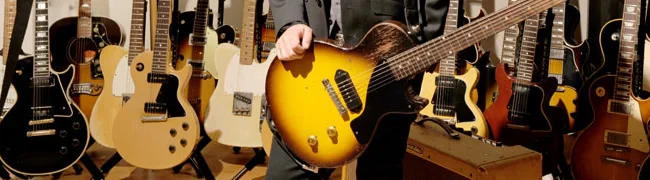 Billie Joe Armstrong Equipment
30 items cataloged
Billie Joe Armstrong Equipment
30 items cataloged
5 stories
Recent News
 Epiphone releases Billie Joe Armstrong Les Paul Junior in Radiant Red
Jul 23, 2026
Epiphone releases Billie Joe Armstrong Les Paul Junior in Radiant Red
Jul 23, 2026
 Watch Billie Joe Armstrong demo his new Marshall 1959BJA signature amp
Jul 21, 2026
Watch Billie Joe Armstrong demo his new Marshall 1959BJA signature amp
Jul 21, 2026
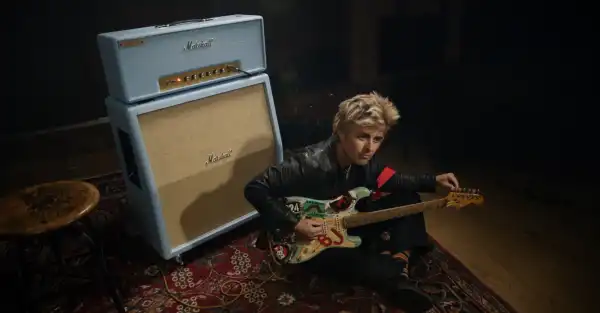 Marshall announces the Billie Joe Armstrong 'Dookie' signature amp
Jul 13, 2026
Marshall announces the Billie Joe Armstrong 'Dookie' signature amp
Jul 13, 2026
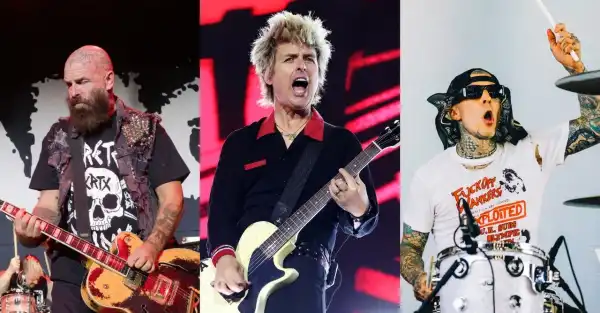 Billie Joe Armstrong to perform at Ramones 50th anniversary tribute
Jul 7, 2026
Billie Joe Armstrong to perform at Ramones 50th anniversary tribute
Jul 7, 2026
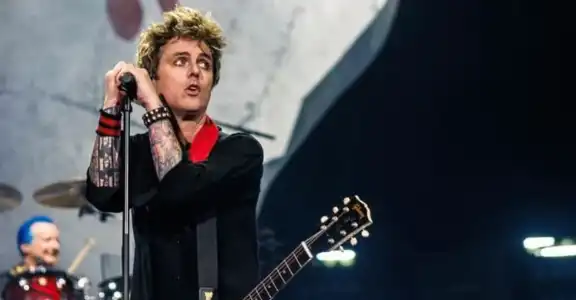 Billie Joe has made the New York Times' Readers' Choice list of the 100 greatest American songwriters
Jun 3, 2026
Billie Joe has made the New York Times' Readers' Choice list of the 100 greatest American songwriters
Jun 3, 2026